What Your Shopping Cart Is Actually Trying to Tell You
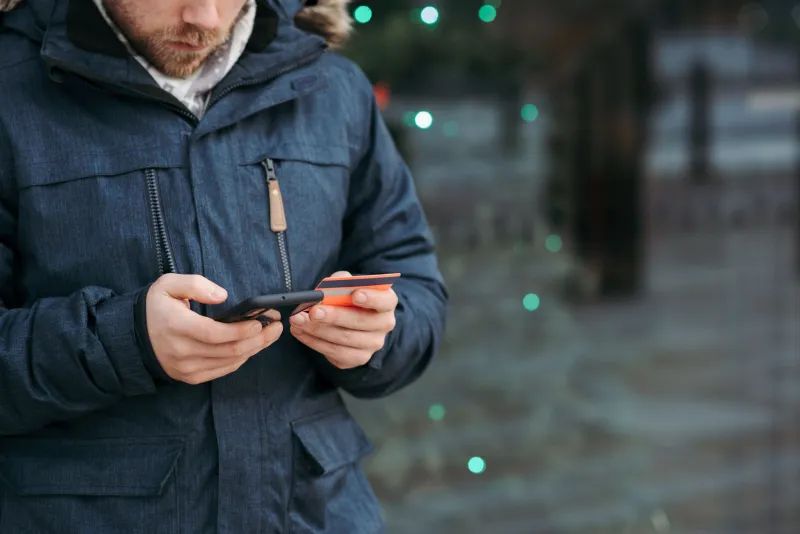
It usually starts the same way. You're scrolling through your phone, maybe half-watching something on TV, and suddenly you're three clicks deep into a checkout page for something you didn't even know existed an hour ago. A new skincare set. A cast iron pan. A course on watercolor painting. You hit "place order" and feel... something. Relief, maybe. A tiny spark of excitement. Then, a few days later, the box arrives and the feeling is already mostly gone.
This isn't about whether you have a shopping problem. Most of us don't. It's about what that moment of yes, I want this is actually communicating — because it's rarely just about the thing.
The Emotion Always Comes First
Here's what behavioral economists have been quietly documenting for decades: we almost never make purchases based purely on need or even logic. Emotion drives the decision, and reason shows up afterward to write the justification. "I needed a new jacket anyway." "It was on sale." "I've been meaning to get into cooking."
The tricky part is that the emotion doing the driving is often one we haven't fully named yet. Stress, loneliness, boredom, a vague sense of being stuck — these feelings don't always announce themselves clearly. Instead, they show up as a sudden, urgent desire for a new pair of running shoes or a standing desk or a 47-piece art supply kit.
Psychologists sometimes call this retail therapy, but that phrase undersells how specific the pattern actually is. It's not random. The things you reach for when you're emotionally depleted tend to cluster around the same themes — and those themes are worth paying attention to.
The Subscription You Forgot You Had
Few things reveal our psychological patterns quite like the subscriptions we sign up for and then never cancel. Think about yours for a second. There's probably a meditation app you opened twice. A meal kit service you paused but never fully quit. A streaming platform you justified by saying you'd get around to it.
What's interesting isn't that you forgot about them — it's what you were hoping they'd do for you when you signed up. Subscriptions are especially seductive because they're not just a purchase, they're a promise. You're not buying a product; you're buying a version of your future self who meditates every morning, cooks fresh dinners, and watches all the prestige TV.
The gap between who we are and who we're trying to become is one of the most powerful forces in consumer behavior. We fill it with subscriptions, starter kits, and self-improvement bundles. Not because we're delusional, but because hope is genuinely motivating — even when it costs $14.99 a month.
Why Certain Products Feel Like Solutions
Pay attention to the category of thing you buy when you're in certain emotional states. Some people consistently reach for home goods when they feel out of control — rearranging their environment is a way of reasserting some order. Others gravitate toward clothing when their sense of identity feels fuzzy, trying on a new aesthetic the way you'd try on a new personality. Fitness gear tends to spike when guilt or stagnation sets in; books pile up when we're craving depth or meaning we're not finding elsewhere.
None of this is pathological. It's actually kind of brilliant, in a roundabout way. Your brain is trying to solve a real problem. The issue is just that it's solving it with a physical object when the actual need is emotional or relational or existential.
A new journal won't give you clarity. But it might signal that you're craving the practice of reflection. A new workout outfit won't make you consistent. But it might mean you genuinely want to feel stronger and you're not sure how to start. The purchase is a clue, not a solution.
Building a Framework for Your Own Spending Signals
So what do you do with this? You don't have to become some kind of ascetic who interrogates every purchase. That sounds exhausting and honestly kind of joyless. But a little honest pattern recognition can go a long way.
Try this: the next time you feel that pull toward something in your cart, just pause for ten seconds and ask yourself what you were doing or thinking about right before the impulse hit. Not to talk yourself out of it — just to notice. Over time, you'll start to see the throughline.
Some people find that they shop most aggressively after difficult work meetings, or on Sunday evenings before the week starts, or whenever they've been scrolling social media for too long. These aren't coincidences. They're patterns, and patterns are data.
You can also look backward. Go through your last two or three months of purchases and see if you can remember what was happening in your life when you made them. You might be surprised by how coherent the story is. The $200 worth of home organization supplies right after a stressful family visit. The stack of self-help books during that stretch when work felt meaningless. The fancy coffee equipment when you were spending too many lonely mornings alone.
The Real Cost of Comfort Spending
This isn't a lecture about saving money, though obviously the financial piece matters. It's more about the cost of consistently outsourcing your emotional needs to your shopping cart. When you always reach for a purchase to soothe discomfort, you get pretty good at temporary relief and pretty bad at sitting with the actual feeling long enough to understand it.
The discomfort doesn't go anywhere. It just waits. And then it shows up again next Tuesday night, and you're back on the checkout page.
The goal isn't to stop buying things — it's to stop being surprised by why you wanted them in the first place. When you understand the emotional logic driving your spending, you get to make a real choice: address the need directly, or buy the thing knowing full well what you're actually paying for.
Honesty about that second option is underrated. Sometimes a comfort purchase, made consciously and without guilt, is exactly the right call. The difference between that and the unconscious kind is just awareness — and awareness, unlike most things, is actually free.